
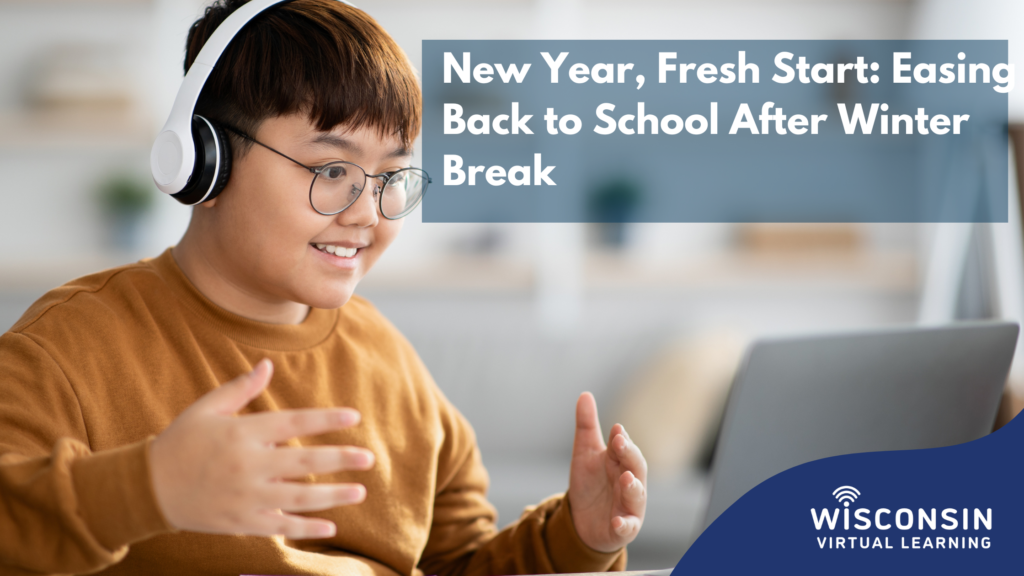
When winter break winds down, many families notice how difficult it can be for students to shift back into their school rhythm. Long mornings at home, holiday excitement, and relaxed routines can make the return feel overwhelming. A few simple steps can help your child ease back to school after winter break with more confidence and far less stress. Small, consistent routines create a smoother transition and set the tone for a strong start to the new term.
Resetting Sleep and Daily Routines
The school day runs more smoothly when sleep patterns are steady. Begin adjusting bedtime a few days before classes resume so mornings feel calm instead of rushed. A predictable wake-up time, a simple breakfast routine, and gentle cues like soft lighting or quiet music help your child re-establish structure.
You can also use a visual countdown to mark the days until school begins again. Younger learners benefit from seeing the transition laid out clearly. A countdown calendar or short check-ins during the week helps students shift their mindset at a comfortable pace.
Preparing your child’s learning space also supports a smooth return. A refreshed desk, sharpened pencils, working headphones, and an uncluttered workspace cue the brain that it’s time to re-engage. Familiar tools bring back routines without pressure.
Supporting Your Child Emotionally
Going back to school after winter break often brings mixed feelings. Some students feel excited, while others carry uncertainty. Invite your child to talk openly about how they’re feeling. You can ask simple questions like, “What part of going back feels easy?” or “What would help the first week feel smoother?” These conversations build trust and help students feel understood.
Setting gentle goals also helps ease the transition. Short reading targets, organizing materials once a week, or completing assignments by a set time give students direction without generating stress. Small goals help rebuild momentum and strengthen self-confidence.
Weekly structure helps anchor your child emotionally. A printed schedule, morning check-ins, or end-of-day reflections bring a sense of stability. Consistent routines reduce anxiety because students know what to expect.
Light Academic Warmups for the First Week Back
Students often need time to regain academic focus. Simple warmups make this easier. Encourage your child to re-read a chapter from before the break or complete brief math review tasks. These small steps help reactivate prior knowledge and reduce the feeling of starting from scratch.
Screen breaks matter as well. Encourage short movement activities between classes to prevent fatigue. Stretching, walking around the room, or doing a few household tasks helps reset the brain and improves concentration.
Back to School After Winter Break Rituals
Simple rituals can transform the first week back into something positive. A special breakfast on the first day, winter-themed art activities, or a family “goal of the week” board can bring energy to the transition. You can also create small rewards for reaching early-semester goals, such as extra reading time, a weekend activity, or a family movie night.
These moments help your child connect positive emotions with returning to school routines.
The Role of Parent Engagement in a Strong Transition
At Wisconsin Virtual Learning, parents and guardians play a meaningful role as learning coaches. Your involvement helps your child stay motivated and steady during the transition back to school after winter break. Being present during the start of the school day, encouraging progress, and staying aware of upcoming assignments all show your child that they have support.
Students at WVL benefit from an environment designed for personalized learning, where teachers and Student Learning Advocates (SLAs) maintain consistent communication throughout the year. When families and educators work together, students feel seen, valued, and supported academically and emotionally.
Starting the New Year with Confidence
Winter break creates a natural pause, and easing back into routines takes time. With steady habits, emotional support, and clear communication, your child can return to classes with enthusiasm and confidence. Wisconsin Virtual Learning is committed to providing students with a learning experience that encourages growth, curiosity, and a strong sense of belonging.